
AI Overviews Are Reshaping Search: What It Means for SEO and Digital Visibility
A search used to begin with curiosity and end with a click.
Someone would type a question into a search engine, scan a list of results, compare a few sources, and decide which website deserved their attention. For years, this simple interaction shaped the way digital content was created, discovered, and measured.
Today, that familiar journey is quietly being rewritten.
Instead of directing users to multiple websites, search engines are increasingly presenting AI-generated summaries that answer questions immediately. In many cases, the information needed is already available before a single result is opened. The click once considered the ultimate measure of success is no longer guaranteed.
This transformation is not simply changing SEO. It is reshaping the relationship between users, content, and digital experiences.
Search Is Becoming an Experience
The role of a search engine has always been to connect people with relevant information. Increasingly, however, the information itself is being delivered directly within the search results.
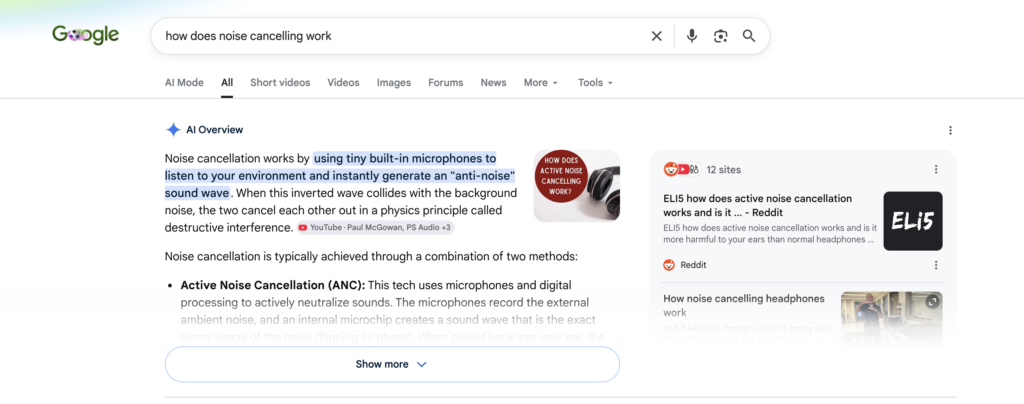
Source: Google
Imagine searching for “How does noise cancellation work?” or “Best time to visit Japan.” Rather than opening several articles and comparing different perspectives, users are often presented with an AI-generated overview that summarises the key points within seconds. For many searches, that summary is considered sufficient.
A similar pattern has already been seen across other digital products.
- Spotify recommends playlists before users begin searching for music.
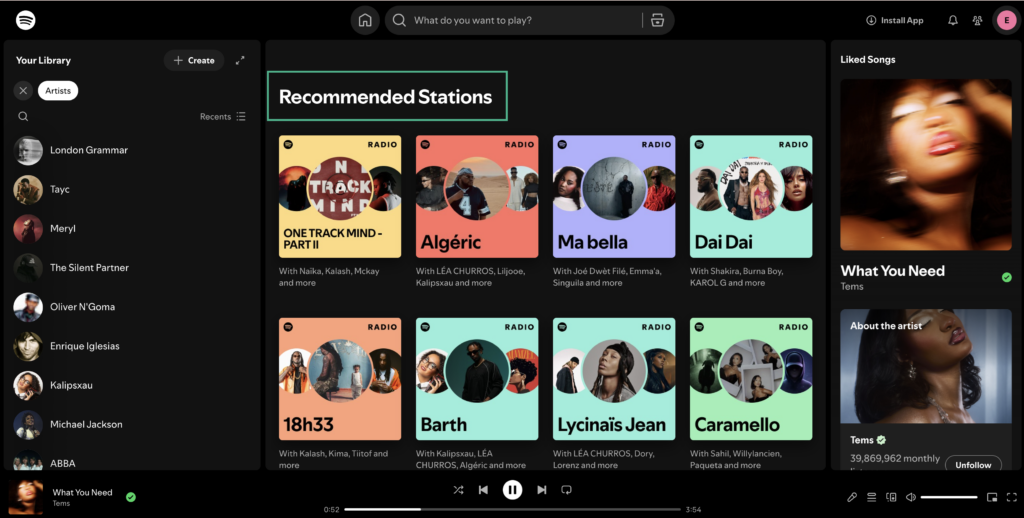
Source: Spotify
- Netflix suggests films based on previous viewing habits.

Source: Netflix
- Google Maps identifies the fastest route before alternatives are even considered.
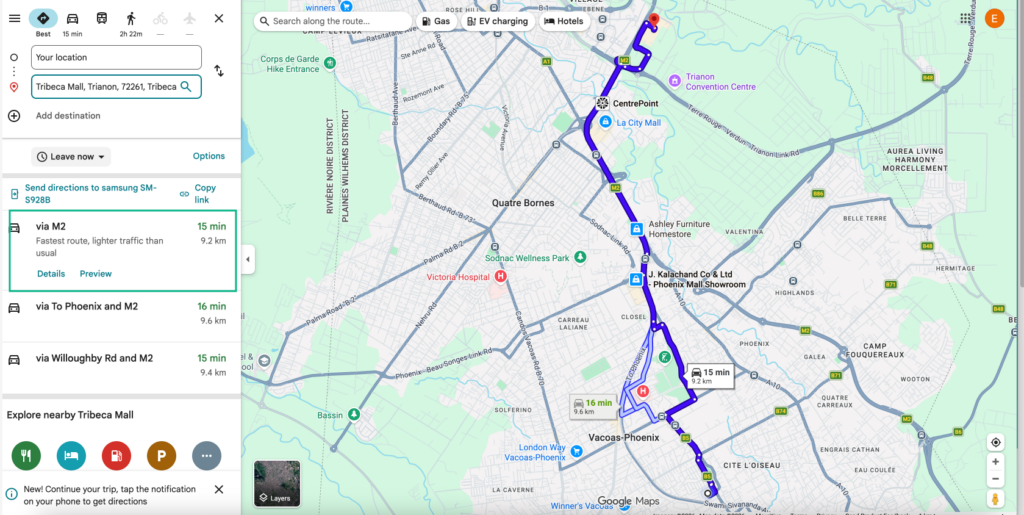
Source: Google maps
The expectation of receiving immediate, relevant answers has gradually become part of everyday digital behaviour. Search is now evolving in the same direction.
The Click Is No Longer the Only Measure of Visibility
For many years, search engine optimisation was closely associated with rankings, impressions, and website traffic. A higher position in search results generally translated into more visitors and greater opportunities for engagement.
That relationship is becoming less predictable.
Many businesses continue to appear prominently in search results while experiencing lower click-through rates (CTR). This does not necessarily indicate that their content has become less valuable. Instead, users may already have found the information they needed within an AI-generated overview, removing the need to visit the original source.
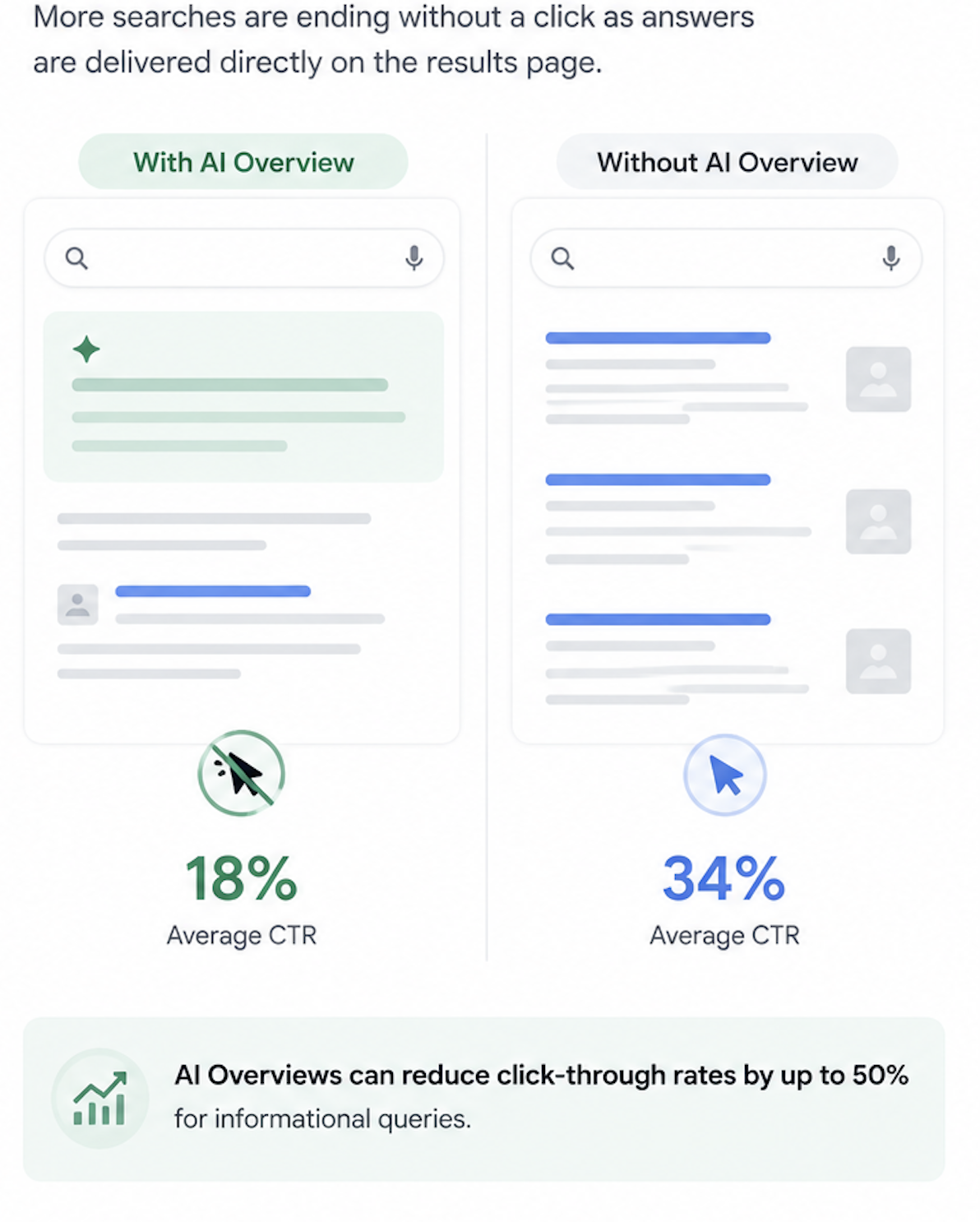
Zero-Click Searches/CTR Examples
In other words, valuable content may still be influencing decisions even when fewer clicks are being recorded.
Visibility is therefore beginning to extend beyond website traffic. Authority, credibility, and the ability to contribute meaningful information are becoming equally important indicators of digital presence.
Measuring What Can No Longer Be Seen
This shift has introduced another challenge.
Traditional analytics platforms were designed to measure impressions, rankings, sessions, and conversions. They provide valuable insight into how users interact with websites, but they offer limited visibility into how often content contributes to AI-generated responses.
Consider a business that publishes a detailed guide explaining sustainable packaging. If key insights from that guide are referenced within an AI-generated overview, thousands of users may benefit from the information without ever visiting the website itself.
The expertise has influenced the conversation, yet much of that visibility remains difficult to measure using conventional SEO metrics.
As AI-powered search continues to evolve, organisations are being encouraged to look beyond traffic reports and consider new ways of evaluating digital influence.
From Search Engine Optimisation to Generative Engine Optimisation
As these changes continue to reshape search, a new concept has begun to emerge: Generative Engine Optimisation (GEO).
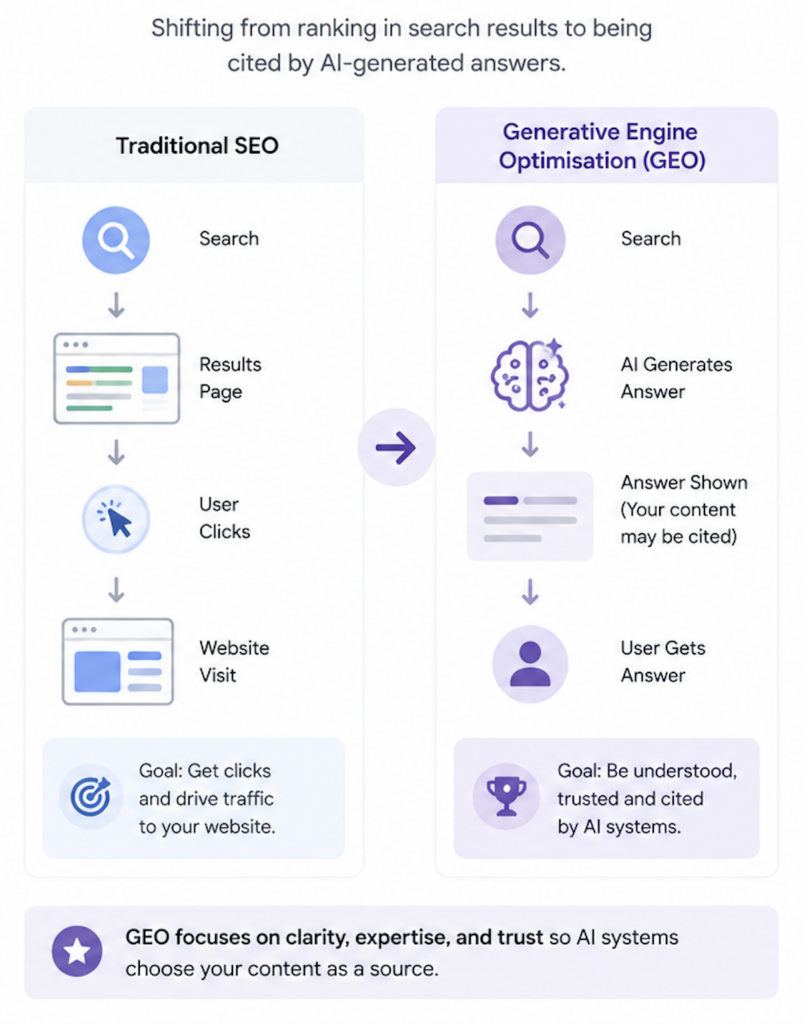
Generative Engine Optimisation (GEO)
Unlike traditional SEO, which focuses on improving rankings within search results, GEO explores how content can be understood, trusted, and referenced by AI systems when generating responses.
This does not require businesses to write specifically for artificial intelligence. Instead, greater emphasis is being placed on creating content that demonstrates expertise, answers real questions, and presents information in a clear, structured manner.
In many ways, the characteristics that support effective UX clarity, accessibility, relevance, and trust are also the qualities that help content become valuable within AI-powered search experiences.
The objective is no longer limited to appearing at the top of a results page. Increasingly, it is about becoming a source that AI systems consider reliable enough to include in the answer itself.
Designing for Discoverability
As search experiences become more conversational, content can no longer be viewed solely as a tool for attracting traffic. It has become part of a broader information ecosystem where websites, AI systems, and users continuously interact.
Businesses that invest in thoughtful content, consistent expertise, and user-centred information are likely to be better positioned as this landscape evolves. Rather than producing articles to satisfy algorithms alone, organisations are being encouraged to create resources that genuinely help people understand, compare, and make informed decisions.
Ultimately, the same principles that define a meaningful user experience also contribute to stronger digital visibility.
Looking Ahead
Every major shift in technology changes the way people discover information. From desktop browsing to mobile-first experiences, from voice search to conversational AI, each evolution has reshaped user expectations.
AI-generated search represents the next chapter in that progression.
Success will no longer be determined solely by where a website ranks or how many clicks it receives. Increasingly, it will be influenced by whether its knowledge is recognised, trusted, and considered valuable enough to become part of the answer itself.
For businesses, designers, and content creators alike, the question is no longer “How can we attract more clicks?” It is becoming “How can we create information that deserves to be trusted wherever the search journey begins and wherever it ends?”