
When Seconds Matter: Designing for Micro-Moments
It has been witnessed that most decisions are made before the user even fully loads the page. While browsing habits have been reshaped by swift distractions, tiny digital pauses — lasting only seconds were transformed into the most powerful opportunities for engagement. These are known as “micro-moments”, and in modern UX design, the decisions made here determine whether attention is secured or lost forever.
In everyday scrolling, attention is fragmented — interrupted by notifications, chats, or quick searches. During these short bursts of attention, users demand clarity, immediate feedback, and instant guidance. When interfaces are designed for micro-moments, interactions become effortless even when sessions are interrupted or abandoned prematurely.
Why These Moments Are Crucial
- First impression wins: Users typically decide whether to stay or bounce within the first 3 seconds. If the interface reacts instantly, trust is built.
- Micro-interactions bridge tiny gaps: Little animations, instant confirmations, and intelligent feedback reassure users that the system is working for them.
- Reduced friction improves loyalty: Errors, loading delays, or unclear navigation deteriorate the user experience quickly especially when users are multitasking.
Real-Life Examples
- Spotify’s Instant Preview: When a song is tapped, the audio starts immediately. Even if the listener changes screen or pauses mid-scroll, the experience feels fluid and rewarding.

Source: Spotify
- Duolingo’s Quick Engagement Loop: A single tap leads to instant visual confirmation, a short reward animation, and a suggestion for the next bite-sized lesson. Even if the session lasts only 10 seconds, momentum is created and retained.
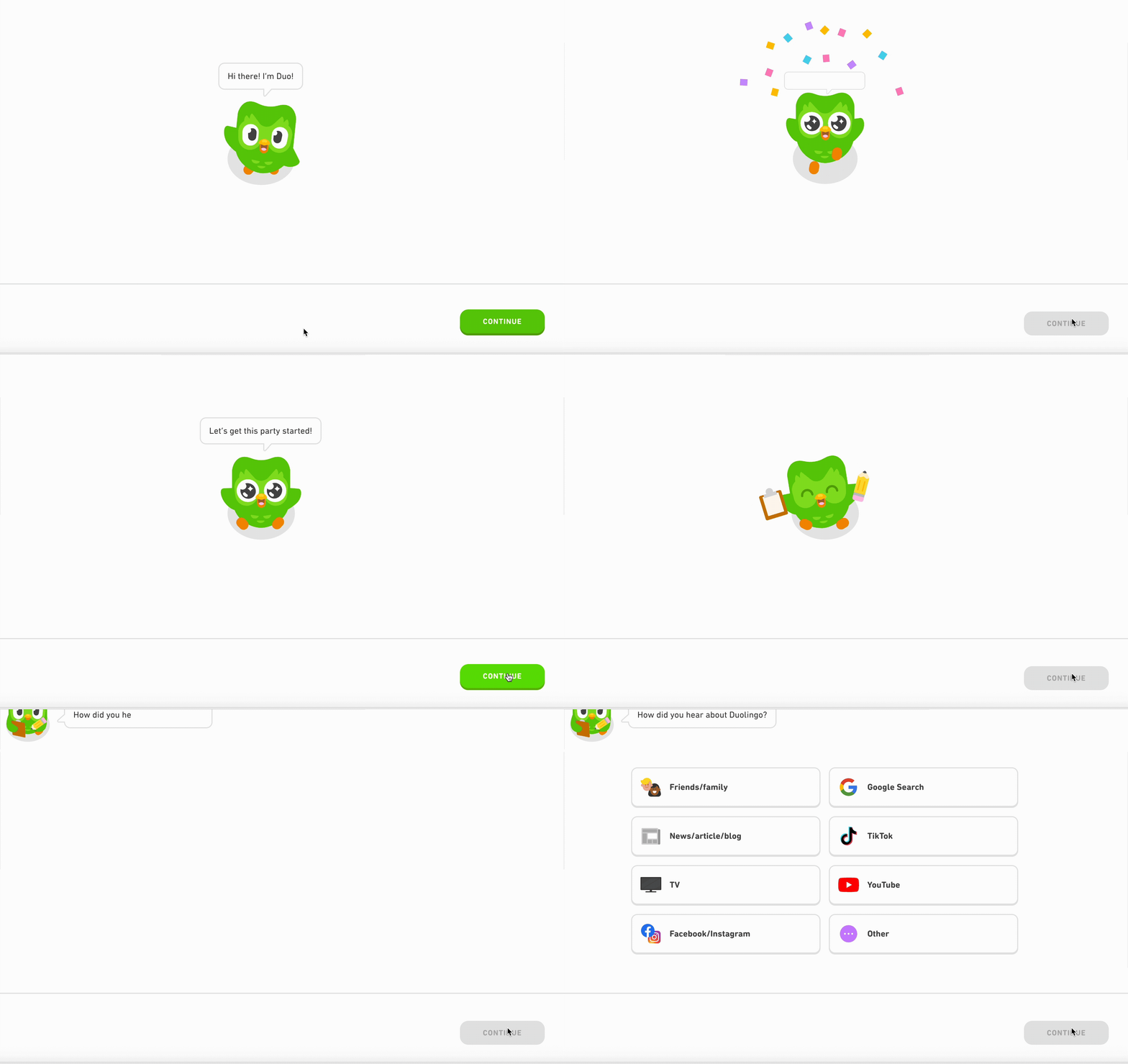
Source: Duolingo
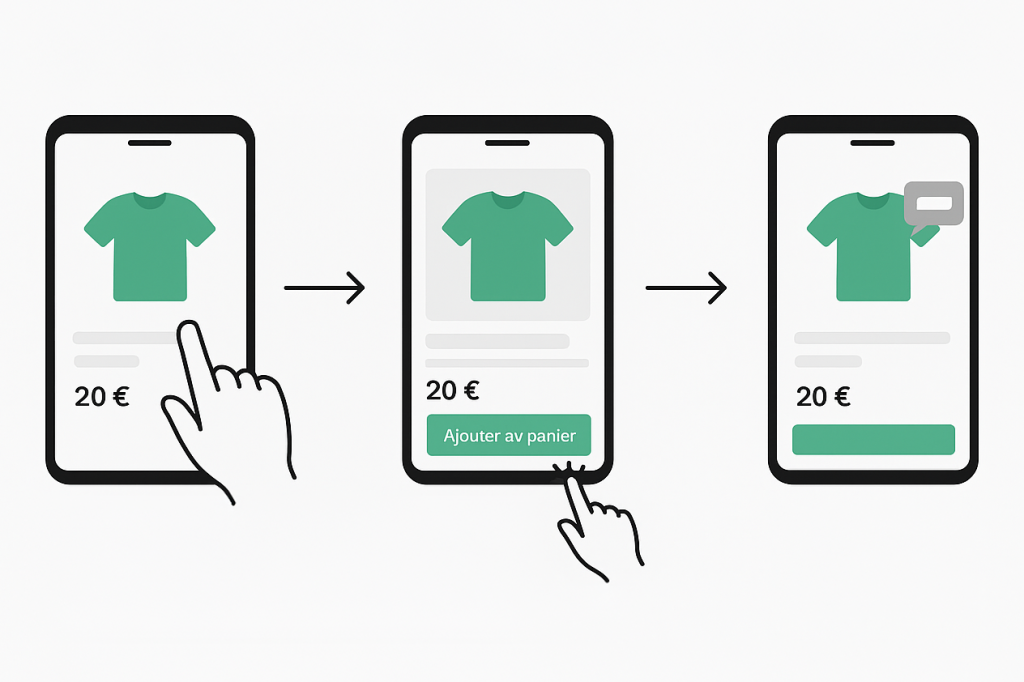
- E-commerce Mini-Moment: Suppose a user is checking a product on a mobile screen. When product details are expanded instantly and the “Add to Cart” button reacts with a small animation, user confidence increases. If the session is interrupted say, by an incoming message, the seamless flow encourages return after the interruption.
Practical UX Design Tactics for Micro-Moments
- Immediate feedback: Ensure that every button tap, form input, or swipe is acknowledged with a visible response.
- “Empty state” design should be helpful: Provide actionable suggestions when nothing is loaded or if errors occur.
- Content is bite-sized: Use short questions or action-driven headlines such as “Find your next project idea” rather than long descriptive text.
When Seconds Shape Experiences
Because attention is continuously attacked by different stimuli, micro-interactions are not just “nice to have” details, they are essential. When products are designed to perform within these short bursts of interaction, users are more likely to return, click further, and complete their tasks. Designing for micro-moments is not just a design decision, it is a strategy for retention in the age of distraction.